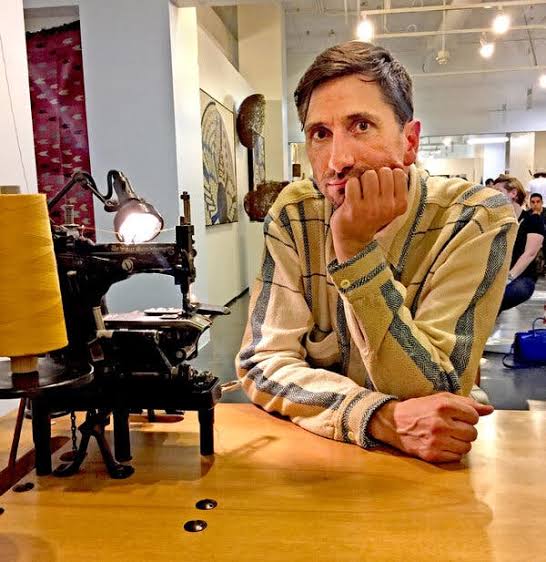
Roy Slaper, an unlikely but highly influential figure in the world of premium selvedge denim, has died at the age of 54, according to a close friend. He reportedly passed away in mid-July, though the exact circumstances of his death have not been publicly disclosed.
 Slaper’s rise in the fashion world was unconventional. Originally trained as a metal fabricator, he had no formal background in fashion and initially showed little interest in denim. In fact, he once noted that he preferred work slacks and wore basic Sears Roebucks jeans for everyday use. Despite that, he would go on to become one of the most respected names among denim enthusiasts.
In the mid-2000s, Slaper began experimenting with jean-making inside his Oakland, California apartment, gradually turning a personal hobby into a highly specialized craft. Over time, he transformed his living space into a small workshop filled with industrial sewing machines, taking on every role in the process himself, including design, production, branding, and repairs.
By around 2008, he was fully committed to the project and operating as a one-man denim label under the “Roy” brand. His production style remained intentionally small and highly controlled, typically producing only about 500 pairs of jeans per year, released in limited drops of 150 to 200 pairs at a time.
Those releases quickly became coveted within niche fashion circles. His jeans routinely sold out within hours, driven by collectors and selvedge denim enthusiasts who valued handcrafted production, raw materials, and the unique fading patterns created through long-term wear. This community often treated such details with near-obsessive attention, elevating his work into cult status.
Priced at around $350 per pair, Roy Slaper’s jeans were frequently described as some of the most desirable in the premium denim world. Industry figures and retailers noted that demand was so strong that he could have charged significantly more and still sold out instantly. Over time, his work became associated with exclusivity, craftsmanship, and authenticity in an increasingly commercialized fashion landscape.
Despite his growing reputation, Slaper maintained a low-profile approach and continued working on a small scale, personally overseeing almost every part of production. His influence extended beyond clothing, helping shape a broader appreciation for artisanal craftsmanship within modern streetwear and denim culture.
He is remembered by friends and fans as a quiet but deeply influential creator whose work left a lasting mark on a highly specialized global community.